
Most lawns need two or three jobs in October, not ten. This guide shows how to tell which ones yours needs, the order to do them in and what to leave until spring. If you would rather hand it over, our lawn care service covers cutting, scarifying, aeration and moss treatment across Manchester and Stockport.
Your window in Greater Manchester
The Royal Horticultural Society (RHS) names September and October for the main autumn lawn jobs and adds that they do not all need doing every year. Pick the one or two that suit your lawn.
The deadline is the temperature. Grass keeps growing above 7°C, and below it seed germinates poorly and a feed has little to work on. The Met Office publishes 1991 to 2020 averages for its Greater Manchester station at Rochdale. It sits a little higher and cooler than south Manchester and Stockport, so treat the figures as a guide.
| Month | Mean temperature | Rainfall | Days with 1mm or more | Days of air frost |
|---|---|---|---|---|
| September | 13.3°C | 98mm | 13 | 0 |
| October | 10.1°C | 117mm | 15 | 1 |
| November | 6.8°C | 124mm | 17 | 5 |
| December | 4.3°C | 139mm | 18 | 10 |
Mean temperature is the average of each month's average daily high and low, worked out here rather than quoted by the Met Office.
October is still warm enough for growth and wet enough to settle seed and feed. November drops just under 7°C and brings five frosty mornings. That makes the next two to three weeks the working window. The mid-October cut-off for seed is our reading of these numbers, not an RHS rule: the RHS says October sowing suits warmer parts of the UK and is getting late in cooler ones.
With about 15 wet days in October, you will wait for a dry afternoon more than for the right temperature. The RHS says to work only when the soil is not waterlogged and the weather is not very wet, very dry or frosty.
Which job does your lawn need?
Walk the lawn after rain, note what you see and match it to the table. Each row comes from the RHS autumn lawn guidance and its October lawn jobs list.
| What you see | Job | When | How often |
|---|---|---|---|
| Leaves covering the grass | Rake or blow them off | Every week or two while leaves fall | Every autumn |
| Grass still growing | Mow on a higher setting, up to 40mm | Mild, dry days only | Until growth stops |
| No soil visible between blades, spongy feel, moss | Scarify | September or October, or spring | Most years if thatch builds |
| Puddles, or ground that sets hard | Aerate, then top dress | Autumn, soil not waterlogged | Every 2 to 3 years |
| Bare patches | Re-seed or patch with turf | Now while soil is warm enough, otherwise spring | As needed |
| Pale, weak lawn | Autumn feed, never summer feed | Just before forecast rain | Only if needed |
| Toadstools, fairy rings | Usually leave alone | Appear in autumn | Remove toadstools only if children can reach them |
| Yellow or brown patches in wet weather | Wait, then re-seed large areas | After the weather settles | Possibly fusarium patch |
If several rows apply, do not try for all of them in one weekend. The order is leaves, scarify, aerate, seed, feed, with the last mow whenever the weather allows.
Leaves first
Leaves left on grass block light and moisture. The RHS says raking is the best method, and on large lawns a leaf blower makes it much easier. Battery models are quieter and better for air quality than petrol ones. Where they go depends on where you live:
- Manchester: leaves go in the green food and garden bin, with grass cuttings, hedge clippings and twigs. No soil, because the composting plant does not accept it.
- Stockport: garden waste goes in the green bin only with a garden waste permit. Branches must be no thicker than your wrist, and soil, stones and plant pots stay out.
- Burning: GOV.UK says you cannot dispose of household waste by burning it if it causes pollution or harms health. Councils can issue an abatement notice for a bonfire that is a statutory nuisance, and smoke drifting across a road can bring a fine.
- Leafmould: the better use if you have a corner. Most leaves take about two years to rot. Shred thick leaves such as sycamore and horse chestnut first, and avoid leaves gathered beside main roads.
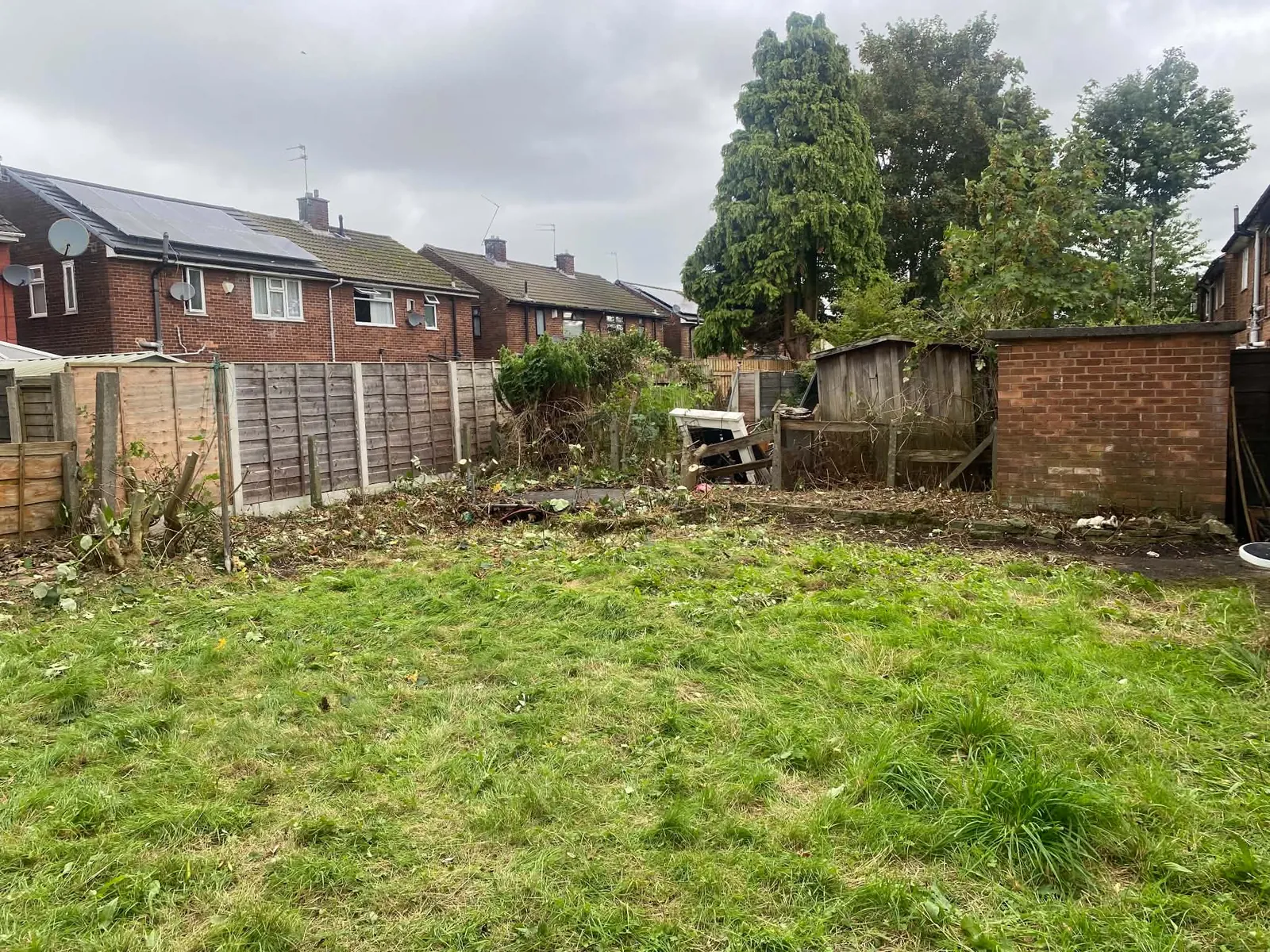
If the whole garden is a leaf trap, beds, paths and gutters fill at the same time. Our garden tidying and clearance service handles a full autumn clear-up in one visit, and the garden maintenance guide for Manchester sets out what regular visits cover through the year.
Keep mowing, but higher
The RHS says to mow in mild weather in October on a slightly higher setting than summer. Its guide for an ordinary domestic lawn is up to 40mm in spring and autumn, against 13 to 25mm in summer. Three rules keep a mow from doing harm:
- Never take off more than a third of the grass height at once. If the lawn got away in September, cut it in two or three passes a few days apart.
- Never mow wet or frosty grass. It damages turf and compacts the soil.
- Keep the blades sharp. Blunt blades tear grass rather than cutting it.
In winter, mowing is usually unnecessary unless it is mild and the grass is still growing. Regular cutting is the core of our lawn visits, and a regular garden care arrangement can cover the whole garden through the colder months.
Scarifying
Scarifying removes thatch, the mat of old clippings, moss and debris at the soil surface. Left in place it stops water reaching the roots and cuts air circulation, which can bring fungal problems. The RHS test is simple: if you cannot see soil between the blades, the lawn would benefit.
Rake vigorously with a spring-tined rake, first in one direction and then across it, aiming to lift debris without uprooting the grass. On a large lawn, hire a powered scarifier or rake one section each autumn, and compost everything you remove. The lawn will look rough for a few weeks and then grow back better. If moss is the problem, scarifying helps, but moss thrives in damp, poorly drained lawns, so look at shade and drainage as well or it returns.
Some retailers' guides treat heavy scarifying as an autumn must. The RHS is more measured, and on a lawn with light thatch a hard rake is plenty. RGMS includes scarifying and moss treatment in its lawn services for lawns too big to rake.
Aerating and top dressing
Aerating improves the movement of air and water among the roots, which helps the lawn cope with both drought and waterlogging. With a garden fork, push in as deep as it goes, with holes 10 to 15cm apart, and rock the fork to widen them. On a big lawn, do the worn or compacted areas and a different area each autumn.
The RHS says every two to three years is enough for most lawns. On clay or waterlogged soil, use a hollow-tined aerator, which lifts out plugs of soil, then sweep them up and rake in a top dressing. It suggests that every three to four years.
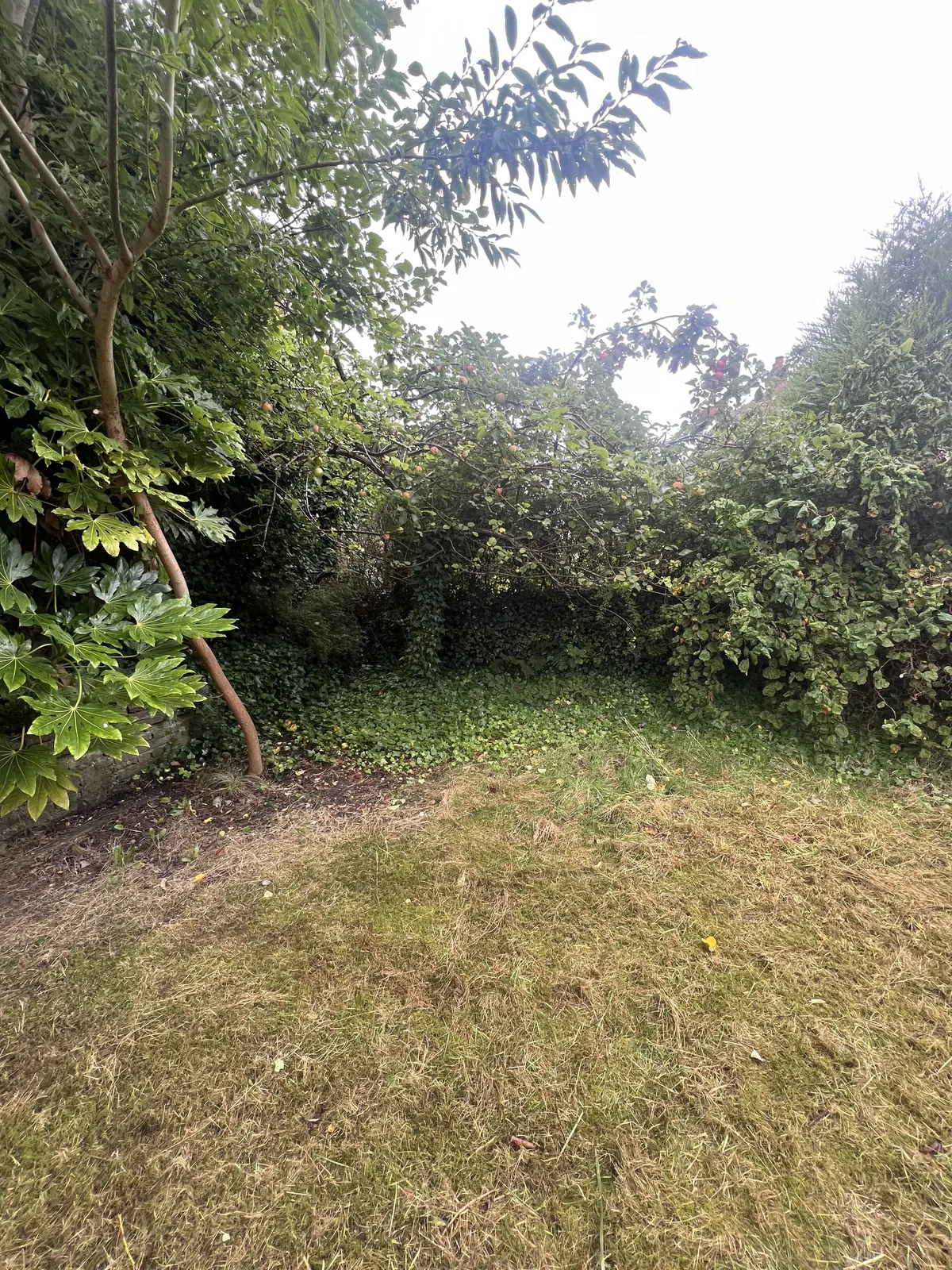
The RHS top dressing is three parts sandy loam, six parts sharp sand and one part well-rotted compost, at 2 to 3kg per square metre. Here is what that means for a 10m by 6m lawn:
| Job | Working | You need |
|---|---|---|
| Top dress the lawn | 60m² at 2 to 3kg per m² | 120 to 180kg of mix |
| Split by parts (3 : 6 : 1) | 120 to 180kg ÷ 10 | 36 to 54kg sandy loam, 72 to 108kg sharp sand, 12 to 18kg compost |
| Over-seed the whole lawn | 60m² at 15 to 25g per m² | 0.9 to 1.5kg of seed |
| Patch bare areas totalling 1.5m² | 1.5m² at 15 to 25g per m² | About 23 to 38g of seed |
That is well over 100kg of material to move, mix and brush in, which is why the RHS suggests concentrating on worn areas. It singles out top dressing as particularly useful on heavy soil, where it improves texture and drainage.
Repairing bare patches
The RHS gives spring and autumn as the best seasons to repair a lawn, because the weather is damp and cool. Seed is cheap and lets you choose a mix to suit the spot, but takes several months to establish. Turf cut from a spare corner, or new turf, gives an instant result.
For a seeded patch, the RHS steps are:
- Cut out the damaged turf to about 5cm deep with a half-moon edging iron or flat spade, and lift it.
- Fork the soil lightly, work in some topsoil or garden compost, and firm it gently to a level surface.
- Sow at the packet rate, usually 15 to 25g per square metre, then cover lightly with topsoil or compost so birds do not take it.
- Water gently with a fine rose so the seed is not washed about.
Choose the seed for the spot: a shade mix where shade caused the bare area, or a hard-wearing utility mix for heavy use. The soil should be at least 7°C, which is why we would not leave seeding past the middle of this month in Greater Manchester. If it is too late, wait for spring rather than sow into cold, wet soil.
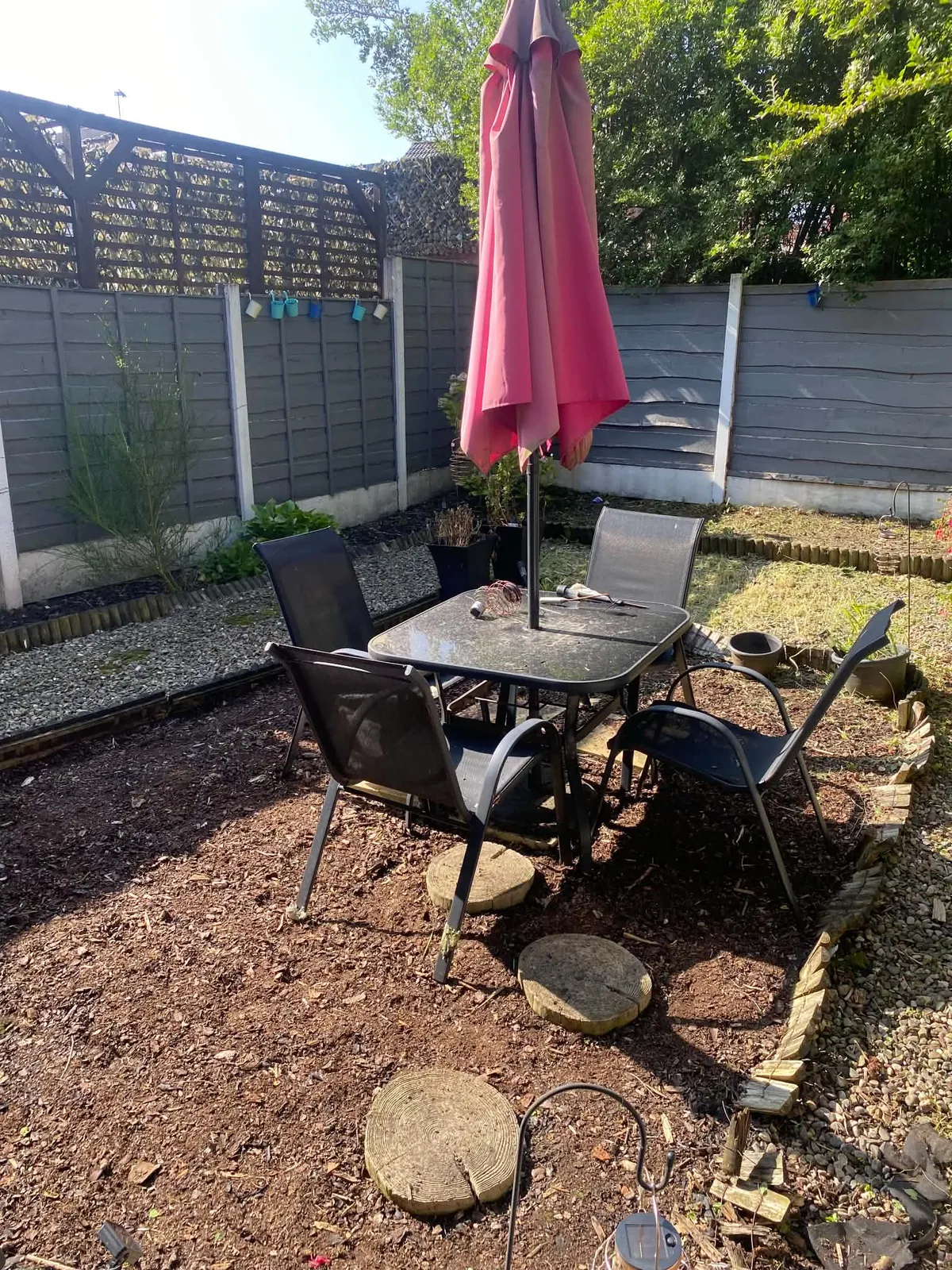
If the whole lawn is patchy, the RHS says total re-seeding or re-turfing may be the better choice. A new lawn, or artificial grass where nothing will grow, is a different job, covered under lawn installation.
Feeding
The RHS is clear that most lawns recover from summer without any feeding. If yours needs a boost, use a feed made for autumn. It is rich in potassium and phosphorus and encourages root growth and hardiness rather than leafy growth.
Never use leftover summer feed. It contains too much nitrogen, which stimulates soft growth that is vulnerable to disease at this time of year. Apply the minimum that does the job, just before rain is forecast, at about a handful per square metre, and water it in if rain has not come within a day or so. Skip areas you are deliberately letting go wild.
What to leave alone
- Toadstools and fairy rings. The RHS says most are harmless fungi feeding on decaying matter. Remove toadstools only if small children can reach the lawn, wearing gloves.
- Worm casts. A sign of healthy soil. Brush them off with a hard broom once dry if you dislike them.
- Wet, frozen or waterlogged ground. Stay off it. Walking on soaked turf compacts it.
- Yellow or brown patches in wet weather. Possibly fusarium patch, which the RHS links to wet weather and overfed lawns left too long. Small patches should recover, and larger ones may need re-seeding.
- Moss and algae in shade. Often a light or drainage problem. Pruning overhanging branches, or replacing the lawn there with shade-tolerant planting, can be the real fix.
Common mistakes are using summer feed, mowing too short (the RHS warns it weakens grass and leaves it open to drought, weeds and moss), leaving leaves in a carpet, and seeding too late.
Doing it yourself or hiring it in
Raking leaves, a high mow and patching a bare corner suit most households. The jobs that jump in effort are scarifying a large lawn, aerating heavy soil and moving top dressing in bulk. They need a powered machine, dry ground and a free weekend, all inside the same few weeks, plus somewhere to put the waste.
RGMS covers Manchester, Stockport and the areas around them, including Levenshulme, Gorton and Stockport. Lawn cutting and edging are among the most common requests, alongside scarifying, aeration and moss treatment. Quotes are free with no obligation, and photos of the lawn help us say what it needs before anyone visits. See the gallery of recent jobs, read what customers say, or get in touch.
Autumn lawn care questions
When should I scarify my lawn in Manchester?
The RHS gives September and October as the best time, and spring is the alternative. If you can see no soil between the blades of grass, the lawn would benefit. Do it when the soil is not waterlogged or frozen, and expect the lawn to look rough for a few weeks.
Is it too late to sow grass seed in October?
The RHS says October sowing suits warmer parts of the UK and is getting late in cooler ones, and that soil should be at least 7°C for good germination. Greater Manchester averages about 10°C in October but under 7°C in November, so seed in the first half of the month or wait until spring.
Can I use leftover summer lawn feed in autumn?
No. The RHS warns that summer feed contains too much nitrogen, which stimulates soft growth that is vulnerable to disease. Use a feed formulated for autumn, rich in potassium and phosphorus, and only if the lawn needs a boost.
How short should I mow in autumn?
The RHS suggests up to 40mm for an ordinary domestic lawn in spring and autumn, never removing more than a third of the grass height at once. Mow only in mild, dry weather, never when the grass is wet or frosty, and stop when growth stops.
Where can I put fallen leaves in Manchester and Stockport?
Recycle for Greater Manchester says leaves can go in your food and garden bin. In Stockport you need a garden waste permit to put garden waste in the green bin. You can also make leafmould, which takes about two years. Burning is not a good option: GOV.UK says councils can act on bonfire smoke that is a statutory nuisance.
Do I need to aerate my lawn every year?
No. The RHS says aerating every two to three years is enough for most lawns, with hollow-tined aeration and top dressing every three to four years on clay or waterlogged soil.
Sources
- RHS: Lawn care in autumn, for scarifying, aerating, top dressing, feeding and problem solving.
- RHS: Jobs for October, lawns, for leaves, mowing in mild weather, the 7°C threshold, fungi and waterlogging.
- RHS: Lawn mowing guide, for cutting heights, the one-third rule and sharp blades.
- RHS: Repairing lawns, for the seed and turf patch methods and seed rate.
- RHS: Making leafmould, for which leaves to shred and how long leafmould takes.
- Met Office: location-specific long-term averages, Rochdale station, 1991 to 2020.
- GOV.UK: Garden bonfires, the rules, for burning waste and statutory nuisance.
- Recycle for Greater Manchester: Leaves and Garden waste, for what goes in the food and garden bin.
- Stockport Council: Green bin and food waste caddies, for the permit and size limits.
Weather figures and council rules checked on 7 October 2026. Check your own council before you fill a bin.