
Most of a lawn care year is cutting and edging, and the treatment jobs people are quoted for sit in about six weeks of early autumn. Scarifying, aeration, a feed and leaf clearing are not annual rituals for every lawn, which is why two quotes for “lawn care” can differ by hundreds of pounds. This guide sets out what belongs in each season according to the RHS, which autumn jobs your lawn actually needs, the 2026 UK price ranges we checked on 19 October (none of them a Gorton or RGMS price), a worked sum for a year and the questions that make two quotes comparable. If you would rather have a price for your own lawn, our lawn services are quoted free from photos.
What a seasonal lawn visit actually means
The phrase covers two kinds of work that are priced differently. The first is the regular cut: a gardener comes every week or fortnight, mows, edges the borders and clears the clippings. The second is the treatment work that happens once or twice a year: scarifying to pull out thatch and moss, aerating to relieve compaction, and feeding where the lawn needs it. A quote that says “lawn care” without saying which of these it includes is not yet a quote.
Our lawn services page lists grass cutting, edging, scarifying, aeration, moss treatment and general lawn maintenance, with an assessment of the lawn first: the type of grass, soil condition, drainage, shade and how much it is used. Feeding is not on that list, so if a feed matters to you, say so when you ask for a price rather than assuming it is inside one.
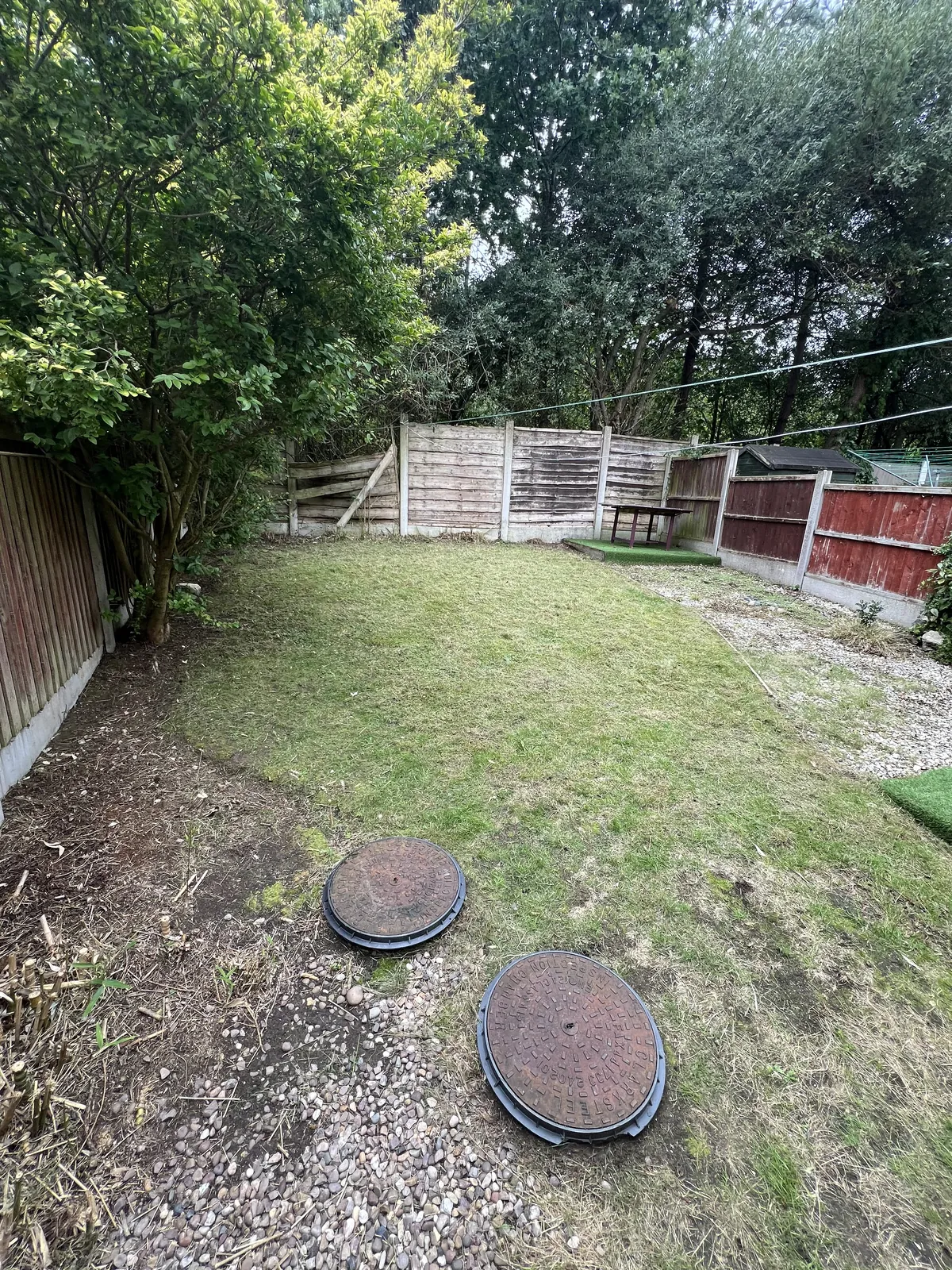
The year, season by season
The Royal Horticultural Society publishes what a conventional lawn needs and when. The table below puts its mowing and autumn care advice next to what each season usually means for a visit.
| Season | What the RHS says | What a visit usually includes |
|---|---|---|
| Spring, March to May | Mow once a week or once a fortnight depending on growth. For the first mow, use the highest blade setting. Keep ordinary lawns up to about 40mm. | First cut at a high setting, edging, regular cuts once the grass is growing |
| Summer, June to August | Mow about once a week on average, less often in drought. Keep grass at about 13 to 25mm. Never take off more than a third of the height in one cut. | Weekly or fortnightly cuts and edging, clippings cleared |
| Early autumn, September and October | Scarify if you cannot see soil between the blades, aerate, feed only if the lawn needs it, clear fallen leaves and raise the cutting height. | Scarifying and aeration where needed, leaf clearing, a higher final cut |
| Winter, November to February | Mowing is usually not necessary unless the weather is mild and the grass still growing, then only occasionally on a high setting. Never mow wet or frosty grass. | Few or no visits. Book the spring start instead |
Two points stand out. First, the RHS says to keep ordinary lawns at about 13 to 25mm in summer and up to 40mm in spring and autumn, which means a cut that scalps the lawn is poor value even if it looks neat. Second, winter is mostly a pause. A plan that charges the same per month all year for a lawn that is not growing deserves a question.
Autumn is where the treatment jobs sit, and not every lawn needs all of them
The autumn jobs are the ones that vary most between quotes, and the RHS guidance makes clear they are not annual rituals for every lawn.
- Scarifying. The RHS says that if you cannot see the soil between the blades of grass, the lawn would benefit from scarifying, which removes thatch and moss. A lawn that is already thin and clean does not need it.
- Aerating. The RHS says that for most lawns aerating every two to three years is adequate, and that on clay or waterlogged soil a hollow-tined aerator, which removes plugs of soil, is better. If you are offered aeration every autumn, ask why.
- Feeding. The RHS says most lawns recover from summer without any feeding. If a feed is used, it should be an autumn product, applied after scarifying and aerating, and not leftover summer feed, which has too much nitrogen for the time of year.
- Leaves. The RHS says to remove fallen leaves so they do not smother the grass and block out light and moisture. This is a visit task, and our leaf clearance guide covers where they can go.
- Conditions. The RHS says to carry out autumn lawn care as long as the soil is not waterlogged and the weather is not very wet, very dry or frosty. A fixed date in the diary matters less than the day’s weather.
| What you can see | What it usually points to | What to ask for |
|---|---|---|
| No soil visible between the blades, spongy underfoot | Thatch building up | Scarifying, with the raked material taken away |
| Moss in the damp or shaded parts | Poor drainage or shade, with moss thriving | Scarifying in autumn, and a look at overhanging branches |
| Puddles that stay after rain, hard ground | Compaction | Aeration, hollow-tined if the soil is heavy |
| Thin, pale grass after a hard summer | Wear or drought, not always hunger | An autumn feed only if it still looks poor after recovery |
| Bare patches | Damage from wear, heat or pets | Reseeding or repair, priced separately |
| A thick, even lawn that is already healthy | Little needs doing | Cutting and leaf clearing, nothing more |
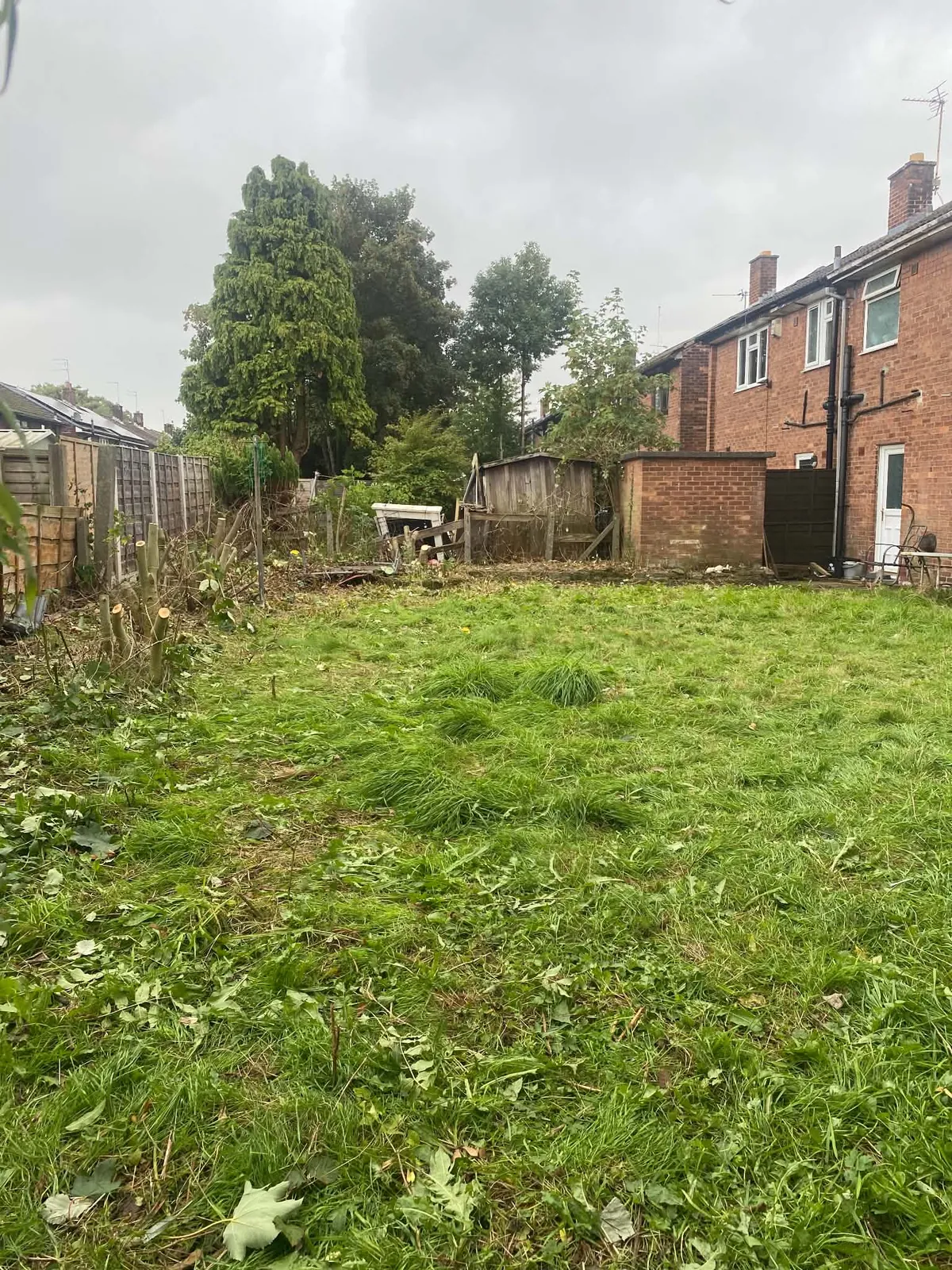
What the UK price guides say for 2026
We have not published an RGMS lawn price list, so the figures below come from two named guides, not from our own jobs. Treat them as a sense of scale. Neither is specific to Gorton, and they price different things.
| Job | Range | Source |
|---|---|---|
| Cut, small well-kept lawn (up to an hour) | £20 to £35 | Fantastic Services, 2026 guide |
| Cut, medium lawn with regular upkeep (one to two hours) | £30 to £55 | Fantastic Services, 2026 guide |
| First cut of an overgrown lawn | £90 to £200 | Fantastic Services, 2026 guide |
| Scarifying | £45 to £120 | MyJobQuote, updated 12 Oct 2026 |
| Aeration | £30 to £80 | MyJobQuote, updated 12 Oct 2026 |
| Lawn feed, per quarter | £20 to £30 | MyJobQuote, updated 12 Oct 2026 |
| Weed control | £20 to £50 | MyJobQuote, updated 12 Oct 2026 |
| Full lawn care service, whole year | £150 to £400, average £275 | MyJobQuote, updated 12 Oct 2026 |
The Fantastic Services guide says edging and clearing the clippings from the lawn surface are typically included in a cut, and that taking green waste away beyond bagging is usually charged separately, at about £10 to £30 for a standard lawn. It also gives £83 for the first hour and £65 after for a team of two gardeners, so check whether a quote is for one person or two. Its figures include VAT where applicable.
The MyJobQuote £150 to £400 for a full year is for lawn treatment, not for weekly mowing. The page does not say whether regular cuts are inside it, so do not set it beside a mowing price as if they were the same job.
A worked sum: one lawn for a year
Take a small lawn and suppose fortnightly cuts from March to October, which is 16 visits, plus a single autumn treatment. The figures are illustrative, picked from inside the ranges above, not an RGMS price.
| Item | Working | Cost |
|---|---|---|
| Fortnightly cuts, March to October | 16 visits at £30 | £480 |
| Autumn scarify | One visit at £80 | £80 |
| Aeration | One visit at £50, needed every two to three years, not every year | £50 in an aeration year |
| Autumn feed | One application at £25, only if the lawn needs it | £25 if needed |
| Total, all jobs in a year | £635 | |
| Total, a year with no aeration or feed | Cuts plus scarify | £560 |
| If every price is before 20% VAT | £635 plus £127 | £762 |
The gap between £560 and £762 comes from two questions rather than the size of the lawn: which jobs are really needed this year, and whether VAT is in the price. GOV.UK gives the standard rate as 20% and says a business must register once its taxable turnover for the last 12 months goes over £90,000, so many one-person gardeners do not charge it. Ask for the total you will pay, with VAT included or not applicable, and write it next to the price.
Lawns in Gorton: what tends to shape the visit
Our Gorton area page describes a mix of Victorian terraces, semi-detached and family homes, rental properties and small commercial premises, with compact gardens and shared access routes. That has practical effects on a lawn quote, and they are worth raising when you ask.
- Small lawns, short visits. A compact back lawn may take well under an hour, so check whether a firm has a minimum charge. A short job can cost more per hour than a longer one.
- Shade and moss. The RHS says moss often thrives in damp, poorly drained lawns, and algae can appear in poor drainage or heavy shade or under the drip-line of trees. A lawn under a tall tree or beside a high conifer hedge may need different work from one in open sun.
- Access. If the mower has to come through the house or along a shared alley, say so and agree who opens the gate.
- Rented homes. Landlords and agents often want a fixed visit pattern and a note after each visit. Say if you are asking for a property you do not live in. Our guide to who is responsible for the garden in a rented property explains who usually pays.
- Edges and hedges. A lawn visit often turns up a front hedge or a bed full of weeds beside it. Asking for them in the same visit is usually simpler than booking each one separately, and our regular garden care bundles them.
- A lawn that has gone too far. If the grass is knee high, the first job is a clear-out, not a seasonal visit. See our garden tidying service and the overgrown garden clearance case study.
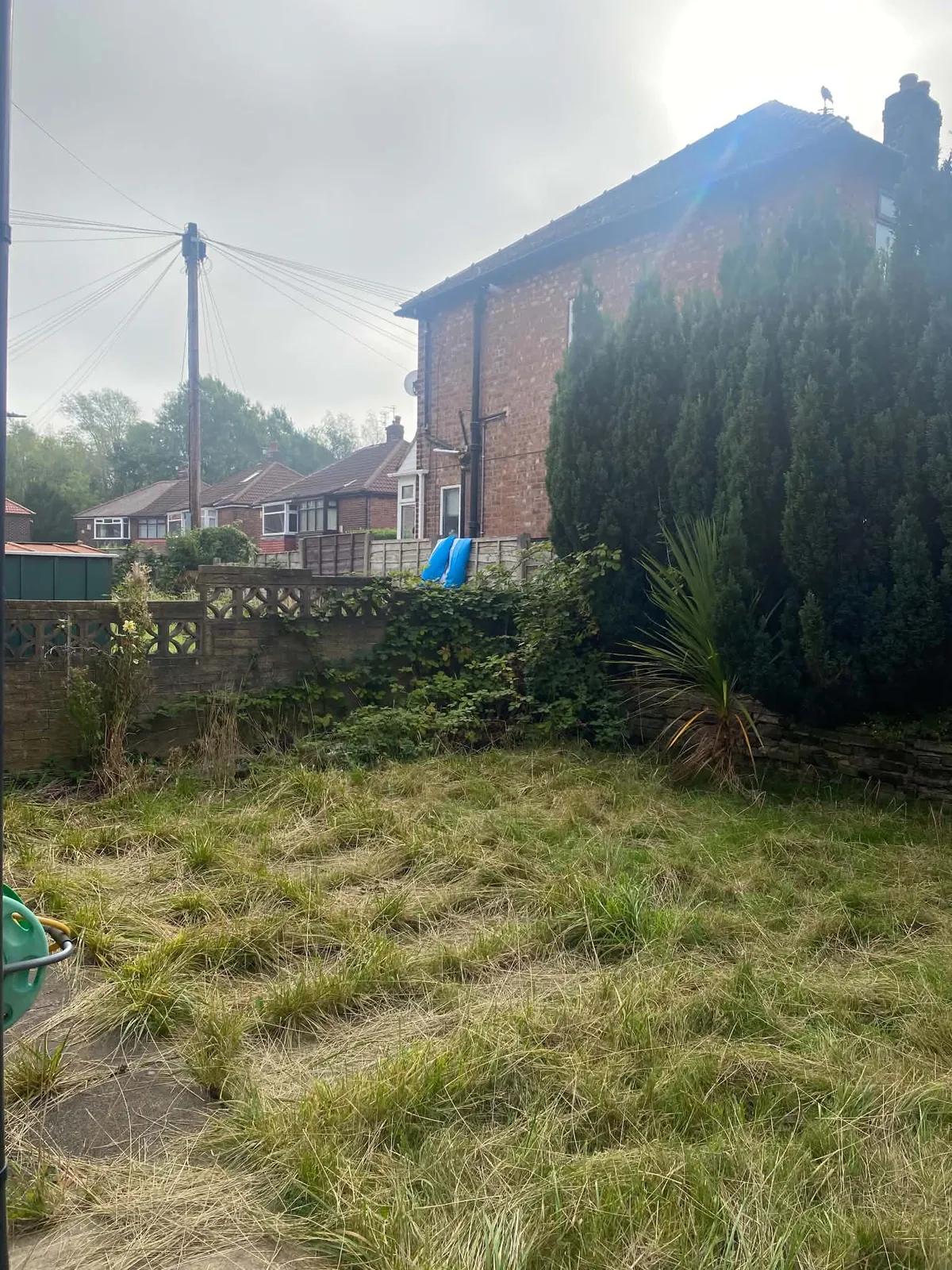
How to compare two lawn care quotes
A price on its own cannot be compared. Ask each firm to put the same things in writing.
- Which jobs are inside each visit.
Cutting, edging, clippings, scarifying, aeration, moss treatment, feeding. Ask for the list, not the word “care”.
- Which months visits happen.
Fortnightly from March to October is common, and visits should thin out or stop in winter.
- Cutting height.
Ask what height the lawn is left at. The RHS puts ordinary lawns at 13 to 25mm in summer and up to 40mm in spring and autumn.
- How often scarifying and aeration are planned.
Ask why, and what you would see on the lawn that makes it necessary this year.
- What happens to the clippings and raked thatch.
Left on the lawn, bagged for your bin or taken away, and whether that costs extra.
- The total including VAT.
Or a statement that VAT does not apply. Never a bare number.
- What happens in wet weather.
The RHS says never to mow wet or frosty grass, so a firm should say how it reschedules.
- Minimum charge and cancellation.
Short visits to small lawns are where a minimum shows up, and a pay-as-you-go arrangement avoids a notice period.
If you would like these answers for your own lawn, our lawn services quote is free and based on photos. For the cost of a whole garden visit rather than the lawn alone, see our guide to garden maintenance cost in Gorton, and for the DIY version of the autumn jobs, autumn lawn care: what to do now. For the wider picture, see our garden maintenance guide for Manchester and what affects the cost of property maintenance.
The law sits behind this too. Under section 49 of the Consumer Rights Act 2015, a trader must carry out a service to a consumer with reasonable care and skill. That is a minimum, not a measure of value, so the checklist is what protects your money.
Frequently asked questions
What does a seasonal lawn care visit include?
It depends on the season. From March to October it is mainly cutting, edging and clearing the clippings. In early autumn the RHS says to scarify if you cannot see soil between the blades, aerate, clear fallen leaves and feed only if the lawn needs it. In winter visits mostly stop. Ask any firm for the list of jobs in writing.
How much does lawn care cost in Manchester?
No guide we found publishes a Gorton figure. Fantastic Services' 2026 guide puts a cut at £20 to £35 for a small well-kept lawn and £30 to £55 for a medium one. MyJobQuote, updated 12 October 2026, puts scarifying at £45 to £120, aeration at £30 to £80 and a full-year lawn treatment service at £150 to £400. These are not RGMS prices.
Does my lawn need aerating every year?
Usually not. The RHS says that for most lawns aerating every two to three years should be adequate, and that on clay or waterlogged soil a hollow-tined aerator is better. If a quote includes aeration every autumn, ask what you would see on the lawn that makes it necessary.
Do I need to feed my lawn in autumn?
Not always. The RHS says most lawns recover well after summer without feeding. If you do feed, use a product made for autumn, apply it after scarifying and aerating, and do not use leftover summer feed, which has too much nitrogen for the time of year.
Should the lawn be cut in winter?
Usually not. The RHS says mowing in winter is usually not necessary unless the weather is mild and the grass is still growing, in which case cut occasionally on a high setting. It also says never to mow wet or frosty grass.
Sources
- RHS, Lawn mowing guide, checked 19 October 2026
- RHS, Lawn care in autumn, checked 19 October 2026
- RHS, October jobs: lawns, checked 19 October 2026
- Fantastic Services, How much does lawn mowing cost? 2026 UK price guide, checked 19 October 2026
- MyJobQuote, Lawn treatment service cost, updated 12 October 2026, checked 19 October 2026
- GOV.UK, VAT rates, checked 19 October 2026
- GOV.UK, When to register for VAT, checked 19 October 2026
- Consumer Rights Act 2015, section 49